
Peripheral Joint Injection Treatment For Join Pain | Dr Andrew Messiaha md a pain management specialist
Andrew H. Messiha, MD, Double Board Certified in Anesthesiology and Pain Medicine, Laguna Hills, CA / Peripheral Joint Injections
What is peripheral joint disease?
Peripheral joint disease(PJD) refers to arthritis or inflammation affecting joints outside the spine, commonly in the hands, wrists, knees, ankles and feet.
What Are Peripheral Joint Injections?
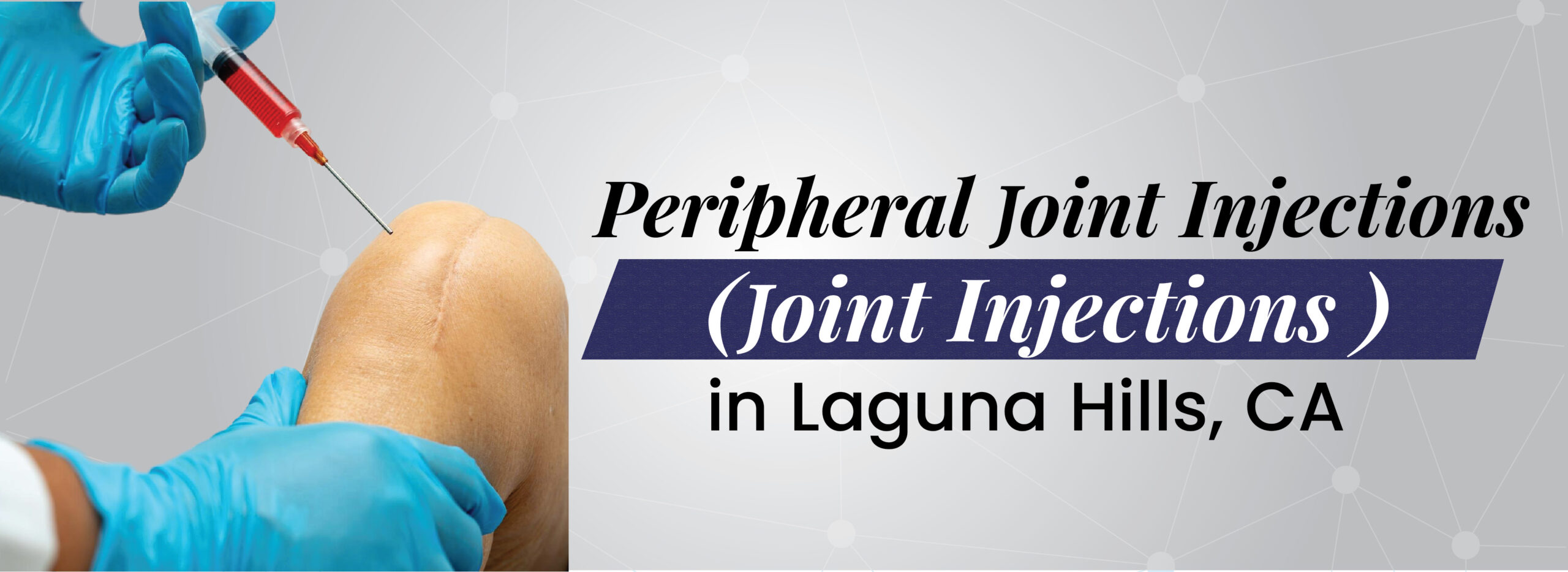
Peripheral joint injections are minimally invasive procedures that are used to diagnose and treat the pain, inflammation, and stiffness within the joints of the limbs. Including the shoulders, hips, elbows, wrists, ankles, feet and hands, this injection injects a medication that is a combination of a local anesthetic for pain relief and corticosteroid to reduce inflammation directly into the affected joint to enhance mobility and joint function and it is necessary to know that these injections are typically used after conservative treatments fail are not curative, and may be performed with ultrasound for better accuracy and safety.
When are Peripheral Joint Injections Recommended?
Peripheral joint injections recommended for chronic pain, inflammation and stiffness that do not improve with rest, physical therapy or oral medication, these injections reduce pain, improve mobility and may avoid surgery for conditions such as bursitis, arthritis and joint injuries that affect the peripheral joints. Peripheral injections targeted anti-inflammatory relief that can last weeks to months.
Types of peripheral joint injections?
Peripheral joint injections depending on the condition and objectives of each patient:
Corticosteroid Injections
Corticosteroid injections help reduce inflammation and pain relief; usually used for osteoarthritis, these are combined with a local anesthetic medication that provides pain relief.
Hyaluronic Acid Injections
Hyaluronic acid (HA) is biologically found in joint fluid and acts as a lubricant and shock absorber. Osteoarthritis reduces it, leading to friction and stiffness. Hyaluronic Acid Injections supplement the joint and reduce inflammation. Hyaluronic Acid Injections are commonly used in the knee and may naturally increase hyaluronic acid production.
Platelet-Rich Plasma (PRP) Injections
PRP injections use the patient’s own blood, which is rich in platelets and growth factors, to help in healing and reduce inflammation in the injured.
Placental Tissue Matrix Injections
These injections, prepared from donated placental tissue, support healing without triggering immune reactions, and tissue growth factor helps repair damaged joint structures.
Arthrocentesis
Arthrocentesis helps in removing excess joint fluid through a hollow needle, relieving pressure and pain. The fluid removed can be tested to evaluate joint health. The injection creates space for injecting through the same site.
Doctor Prescription Required
Each patient has a different health condition, and a professional healthcare provider can help determine which injection-type treatment is required for the patient for a specific condition.
How Peripheral Joint Injections are Performed
- The doctor marks the injection site on the skin.
- The skin is cleaned with an antiseptic solution at the same injection site.
- A thin needle is injected into the joint space.
- Medication is injected directly into the joint through a needle into the joint.
- Ultrasound or fluoroscopy may be used to accurately treat.
- A band-aid used to be placed over the injection site.
Patients can get immediate relief for a few hours after get a corticosteroid injection due to the local anesthetic, and mild soreness can occur for 3 to 5 days once the numbing medicine wears off. Applying ice can help reduce discomfort. It is necessary to avoid heavy activity for one, two to three days while some patients can get to work from the next day. It depends on the patient’s medical condition and pain relief from the injection can last weeks to several months and some patients are recommended for a series of injections based on their condition and response to treatment.
What are the benefits of peripheral joint injection?
Peripheral joint injections treatment are a highly effective option for joint pain and inflammation resulting from arthritis, injury or generative joint disease.
Benefits of Peripheral injections
- It is a non-surgical treatment that provides targeted pain relief and may reduce or eliminate the need for surgery.
- Targeted Relief
- Reduced Inflammation
- Improved Mobility
- Minimal Downtime
- Surgery Delay

What are the disadvantages of peripheral joint injection?
Peripheral injections are safe and effective for most of the patients. Some patients may experience temporary pain, infection, or allergic reaction at the injection site. Repeated corticosteroid injection may weaken cartilage so doctors can limit the number of injections a patient receives. Steroid injections also cause a rise blood sugar and are not recommended for the diabetic patients but hyaluronic acid is a safer option for diabetic patients. Oral anti-inflammatory medicines are usually avoided during PRP Treatment.
When surgery becomes necessary in peripheral joint injection?
Doctors and clinical guidelines from authoritative bodies such as the American Academy of Orthopaedic Surgeons (AAOS) and the Osteoarthritis Research Society International (OARSI) confirm that surgery is typically a last-resort treatment, indicated when conservative measures, including injections, fail to provide adequate relief.
FAQ
1. What are three signs of peripheral arterial disease?
Leg pain during walking (claudication), slow-healing foot sores, and coldness or color changes in the lower legs or feet.
2. Do you need peripherals?
Yes, peripherals are essential for efficient interaction with computers and for performing specific tasks comfortably and effectively.
3. What treatment options are available for peripheral joint pain?
Treatment options include medications, physical therapy, joint injections, regenerative therapies, and minimally invasive pain procedures.