
Radiofrequency Ablation For Chronic Pain Treatment | Pain management Doctor
Andrew H. Messiha, MD, Double Board Certified in Anesthesiology and Pain Medicine, Laguna Hills, CA / Radiofrequency Ablation
What is Radiofrequency Ablation (RFA) Treatment ?
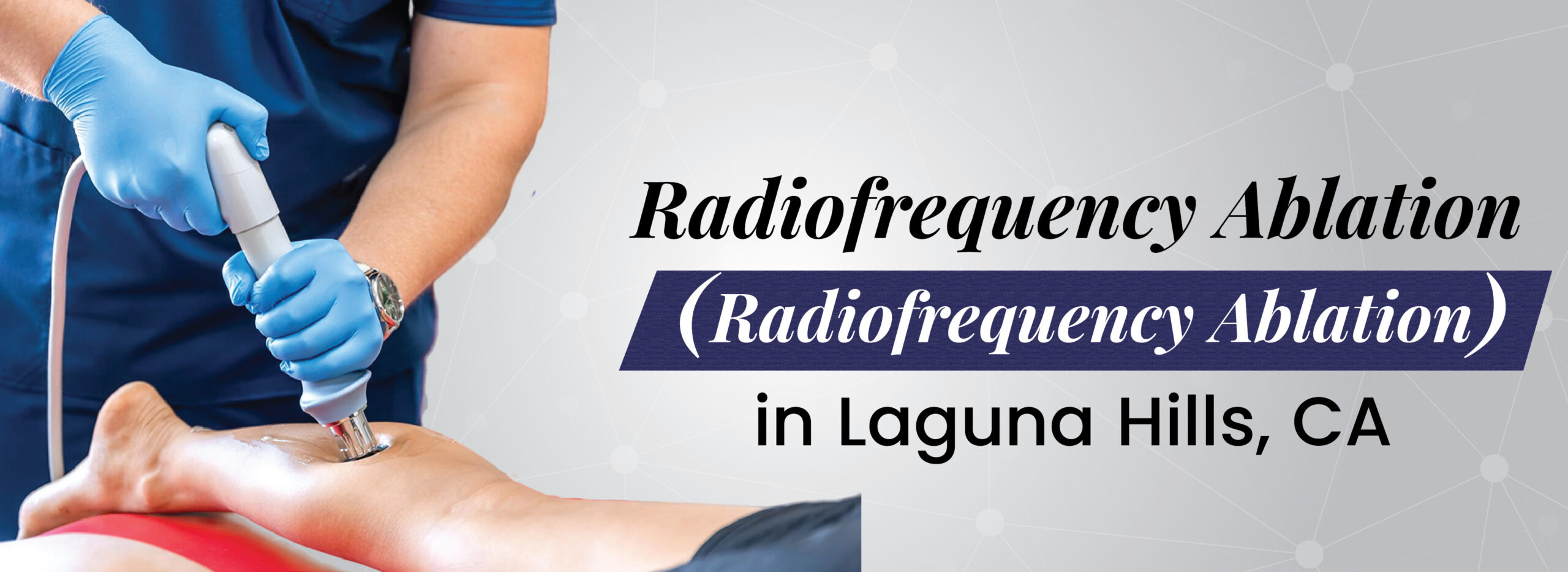
Radiofrequency ablation (RFA), also called rhizotomy or radiofrequency neurotomy, is a non-surgical and minimally invasive treatment used to treat chronic pain. It uses radiofrequency waves to create controlled heat that targets the specific nerves responsible for transmitting pain signals to the brain. By disrupting these signals, RFA helps reduce ongoing pain. This treatment is most commonly used for pain in the facet joint in the spine. Which usually leads to chronic back pain, arthritis-related joint pain, and neck pain. It is an effective option for patients who have not achieved lasting relief from medication, physical therapy or injection treatment
Who Is a Candidate for Radiofrequency Ablation (RFA) Treatment?
RFA is recommended for patients who suffer from chronic pain and do not find sufficient relief from medications, physical therapy, or injections.
Not a Candidate for RFA:
Patients who are pregnant, have an active infection or bleeding problems are generally not suitable for radiofrequency ablation.
Conditions Treated With Radiofrequency Ablation (RFA)
- Conditions treated by RFA
- Chronic neck pain
- Chronic lower back pain
- Facet joint pain
- Arthritis-related joint pain
- Sacroiliac ( SI) joint pain
- Arthritis-related joint pain
- Spinal nerve pain
- Sciatica (nerve-related leg pain)
- Pos-surgical spine pain
How Radiofrequency Ablation Works
Radiofrequency ablation (RFA) works by using radio waves-generated electrical current to generate heat, which targets specific tissues and nerves that transmit pain signals to the brain, during the procedure, a thin needle and electrode deliver a specific heat at particular frequency that damage the nerve causing chronic pain. Creating a small lesion that blocks pain transmission without harming other healthy nerves. Radiofrequency ablation commonly used for pain originating from the facet joints and sacroiliac joints of the spine, especially in the neck and lower back, where medial and lateral branch nerves are responsible for transmitting pain.
Indications for Radiofrequency Ablation (RFA)
- These are some indications for RFA
- Pain originating from facet joints
- Chronic necks, lower back pain lasting more than three to six months.
- Sacroiliac joint-related pain
- Arthritis-related spinal pain
- Pain not relived by medications, injections or physical therapy.
- Pain confirmed by successful diagnostic nerve
How is the radiofrequency ablation procedure performed?
Radiofrequency ablation is a non-surgical procedure and typically does not require general anesthesia. The patient lies on their stomach while the doctor cleans and numbs the treatment site. Using a special X-ray machine (fluoroscopy), the doctor carefully places a thin needle near the pain-causing nerve. Then heat is applied through the needle to damage the pain nerve that causes the pain signals to the brain; usually this procedure takes about one to two hours.

Benefits and Risks of ablation procedure
Benefits of Radiofrequency Ablation
- Radiofrequency ablation offers several advantages for patients with chronic pain:
- Allow return to normal activities within one to two days
- Improves daily function and mobility
- Little to no recovery time
- Reduces the need for pain medications
- Non-surgical procedure
- Provides effective pain relief
Side Effects and risks of radiofrequency Ablation
Radiofrequency Ablation (RFA) is generally safe, but has some common side-effects such as temporary pain, swelling, burning, numbness or bruising at the needle site. It may managed with ice and rest and some others are rare but serious risks are infection, bleeding, burns or permanent nerve damage and sometimes original pain gets back.
What is the recovery time for a radiofrequency ablation (RFA)?
Recovery after RFA Treatment is generally quick, most of the patients return to their work in 1-2 days, but pain relief builds gradually over weeks as nerves heal, with full effect taking 2-4 weeks.
FAQ
1. Is radiofrequency ablation painful?
RFA is not generally painful, but patients may feel mild discomfort, burning sensation during the procedure.
2. How much does a RFA cost ?
The cost of RFA in the USA typically ranges from $1,000 to $3,000 depending on the location, facility and patient’s medical condition.
3. Is RFA a major surgery?
RFA is a minimally invasive, non-surgical procedure that avoids large incisions and general anesthesia
4. Can you walk after RFA?
Yes, you can walk after RFA; light low-impact activities like walking are usually safer 24 hours after the treatment.